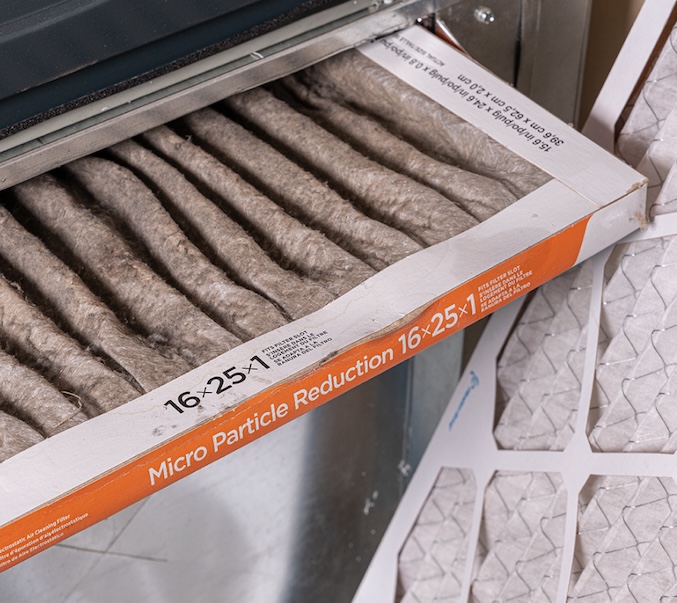


Most experts agree that the best MERV rating for a residential air filter is between 8-13. Filters in this range can trap pet dander, smoke, smog, and pollen to make indoor breathing easier even for those with respiratory conditions or who are susceptible to infection. Keep in mind that levels higher than this are typically reserved for hospital or commercial environments and may not be compatible with residential HVAC systems.
Enhance efficiency and eliminate irritants
How to find the right size air filter
Finding the right size air filter for your HVAC system can be challenging because it varies based on the unique install in each home. An HVAC pro decides which
filter sizes are best suited for your system, home and lifestyle during the installation phase. Because of this, the filter information is not available in a manual and can only be provided after looking at your specific system.
If you're comfortable, you can measure the filter or return opening to determine the size needed. Air filters have two sizes: actual and nominal. The actual size provides precise measurements, while the nominal size is rounded up for convenience. For example, if the actual size is 11.5 x 11.5 x .7, purchase the nominal size of 12 x 12 x 1.
Using the wrong size filter size can harm your system and let in harmful pollutants. Check your old filter for listed size or contact your local American Standard dealer for guidance.
FAQs
MERV stands for Minimum Efficiency Reporting Values and this value indicates how effective the filter is at trapping allergens and pollutants. The minimum size particle that a filter can trap is measured using a unit known as microns. The smaller the particles that the filter can trap, the higher the MERV rating is. For example, a filter with a MERV rating of 1-4 will filter out larger particles like pollen and dust. One with a higher rating of 8-13 can filter out things like viruses and bacteria.
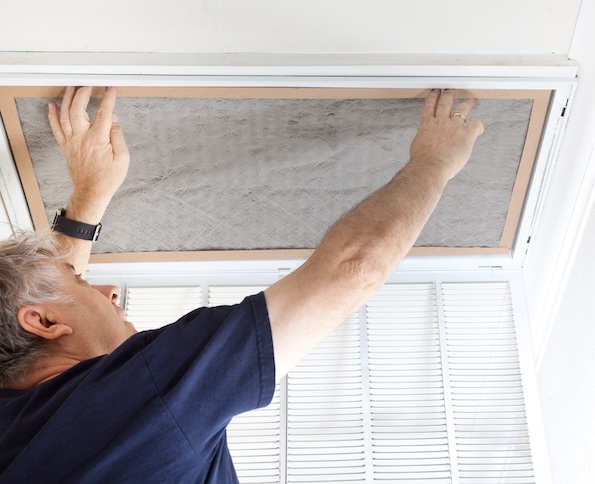
The location of the air filter varies based on the type of HVAC system in place, but most commonly they can be found in wall or ceiling return grills located centrally in the home, at the HVAC system in a slot inside the unit, or in a slot in the adjacent duct work next to the HVAC system.
Air filters and furnace filters remove particles from the air. It doesn’t matter if it's an AC and furnace system, heat pump system, or dual fuel system as they are the same type of filter. All of these systems should have an air filter for the return airflow to the indoor equipment so that homeowners can replace the filters, when needed, for optimal performance. The filter can be located in the return grille/s, in a filter box accessory attached to the return duct, or in a filter rack located inside the inlet opening of the indoor equipment. An air handler or furnace could have an integrated filter rack, both located at the return air opening. Consult your local American Standard dealer for help on filter questions or replacement.
An air filter is important because it removes tiny, harmful particles from the air that can’t be seen. When pieces of pollen, dust, or pet dander are in the air, it can make breathing harder, especially for people with allergies or asthma. It also keeps dirt and debris out of the HVAC system to ensure proper functionality.
Proper maintenance of an air filter depends on the type of system that you have in your home, but most will require maintenance every 90 days. Some systems have washable air filters that can be washed and reused, but others are thrown away and replaced with new ones. If you have questions or are unsure of how to replace your air filter, reach out to an American Standard dealer for help.
What is an HVAC air filter
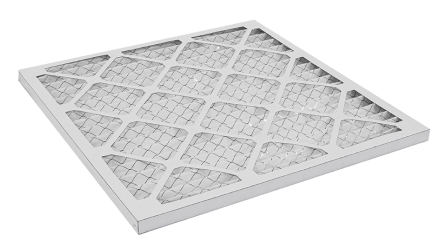
When air enters an HVAC system, it is filled with harmful things like dust, pollen, pet dander, and other particulates. An HVAC air filter is a simple tool that goes inside the HVAC system or ductwork. Its job is to catch all these small particles. By acting like a net, it traps them, protecting the HVAC equipment from debris while also removing these unwanted particles from the air we breathe. These filters are held in place with a plastic or metal frame but the filter is easily removable and usually looks like folded or pleated paper.
How often should I change my filter?
Most air filters should be changed at least once every 90 days. Those with multiple pets, allergies or other respiratory concerns may benefit from changing their filters once every 30 days instead. For specific recommendations on your filter maintenance schedule, consult your local American Standard Air dealer.