HVAC Basics: How Do Heat Pumps Work?
By Anne Fonda with expert review by Chelsea Hudson, Product Manager, Ducted Variable Speed Outdoor
An electric heat pump provides both heating and cooling. Our air source heat pumps use the refrigeration cycle to either heat or cool your home. Think of a heat pump as a heat transporter constantly extracting heat from the air and moving warm air from one place to another, to where it’s needed or not needed, depending on the season.
Even in air that seems too cold, heat energy is present. When it’s cold outside, the heat pump enters heating mode and extracts heat from the air and transfers it inside during the heat exchange process. When it’s warm outside, the reversing valve reverses the flow of refrigerant so the heat pump acts like a central air conditioner and transfers heat out of your home.
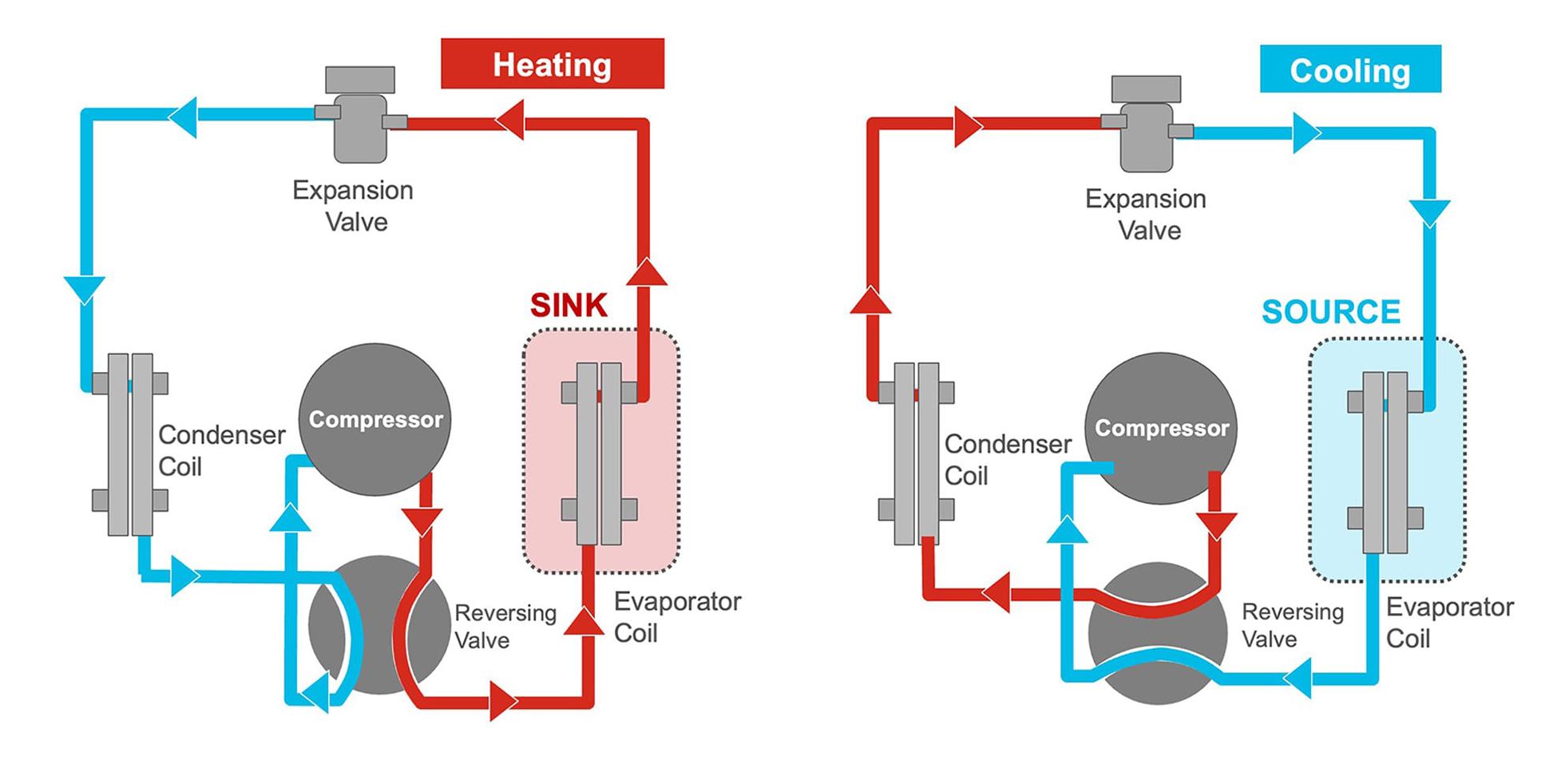
“Think of a heat pump like a two-way conveyor belt for comfort – moving warmth indoors in winter and sending it outside in summer. Instead of creating heat, it simply transfers it, keeping your home comfortable year-round while making the most of the energy already around us!”
-Chelsea Hudson, Product Manager, Variable Speed Outdoor
Where do heat pumps work best?
No matter where you live, electric heat pumps can be a great, energy-efficient heating and cooling solution. Heat pumps are most popular in southern states with their mild winters and temperatures that rarely go below freezing.
Do heat pumps work in cold weather?
Yes. If you live in an area with colder winters, a heat pump system could still be a good option for your home. You have two choices to maintain comfort. Which one you choose as your heating system will depend on whether you have access to natural gas and what your local utility rates are.
“Heat pumps don’t just work in mild climates; you have options in selecting a system that works best for your home and lifestyle. Whether you want to go dual fuel or all-electric, choosing an American Standard heat pump means choosing comfort and efficiency no matter how cold it gets outside.”
-Chelsea Hudson, Project Manager Variable Speed Ducted Outdoor
1. Pair an electric heat pump with a gas furnace
Pair a standard heat pump with a gas furnace instead of an air handler for a hybrid heating solution. The heat pump cools during the summer, then heats your home in the fall and winter until temperatures drop far enough (near freezing) that the heat pump becomes less efficient. Then, the gas furnace kicks in to keep you warm.
The heat pump takes over again when outdoor temperatures rise.
2. Choose a cold climate heat pump
Cold climate heat pumps (CCHPs) are specially engineered to work in freezing temperatures. We have several low-profile cold climate heat pumps that can provide 100% of your heat down to 5°F and 70% down to 13° below zero. Further, we expect to have a vertical cold climate heat pump available soon.
We’re in the product development phase now, where our engineers are finalizing design optimizations to make it a super reliable, cost-effective, and energy-efficient heating system for cold climates.
Early installations in cold climate applications are successfully satisfying home heating needs even down to -20°F (with no backup heat) with up to 4 ft of snowfall.
WHAT’S THE BEST PART ABOUT A HEAT PUMP?
Energy efficiency
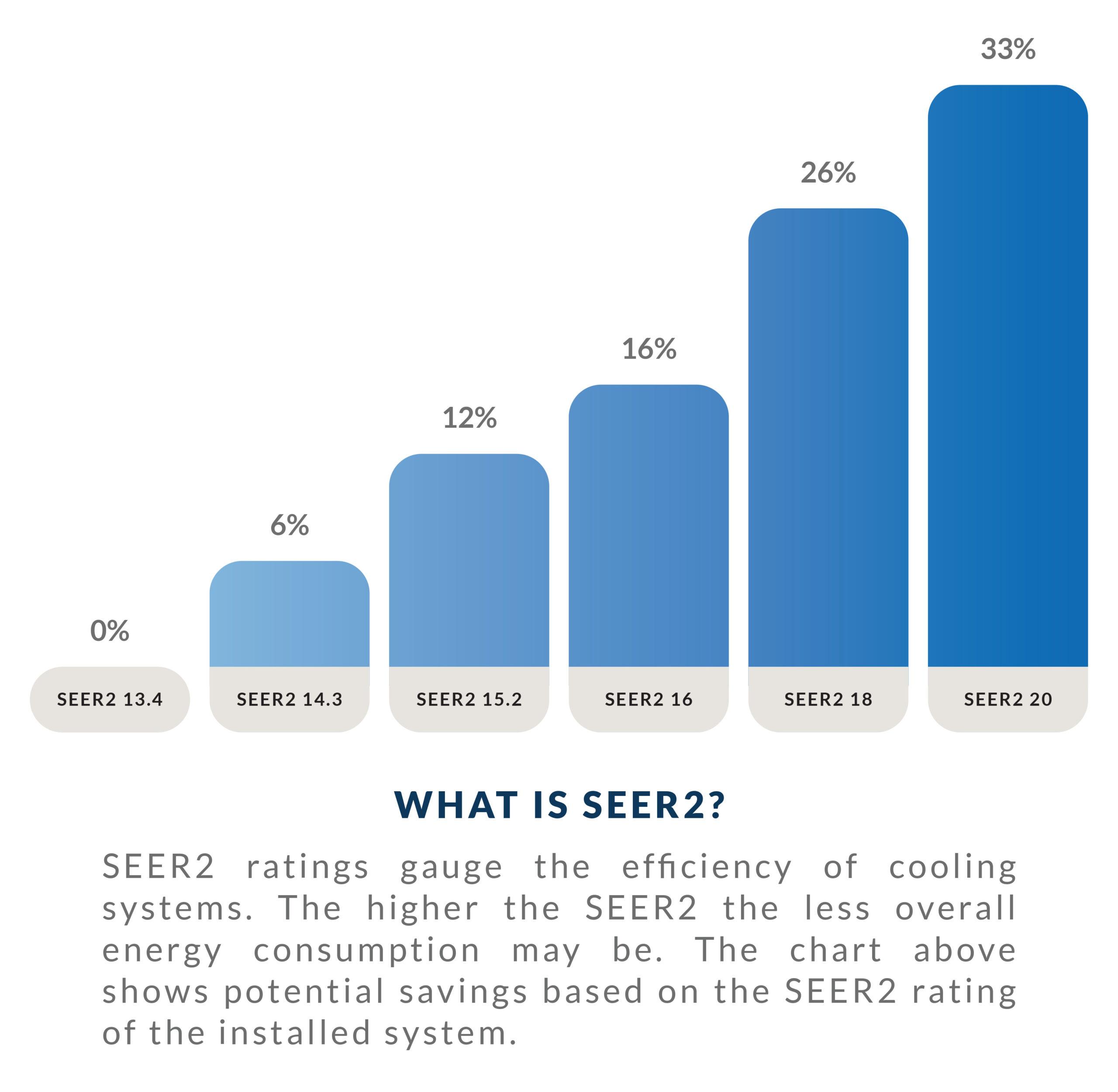
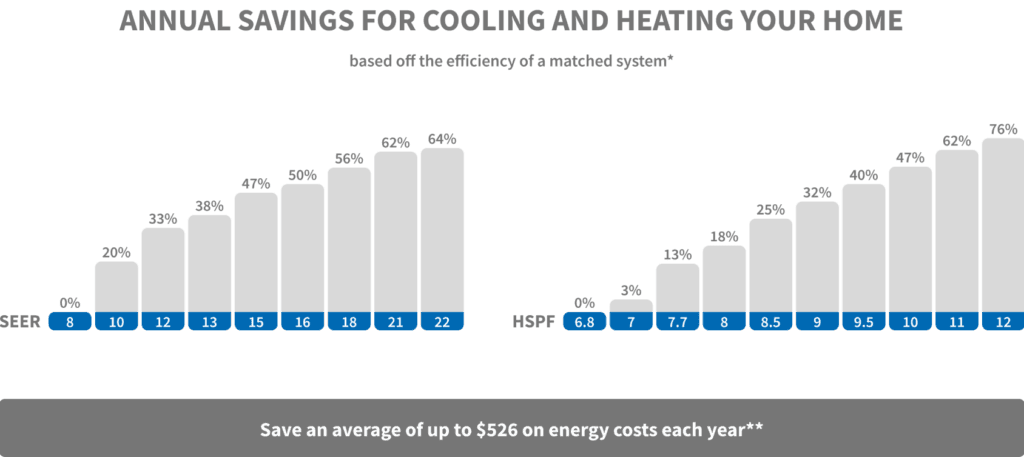
An electric heat pump is energy efficient – up to 300% efficient. For every unit of electricity it uses, it transfers up to 3 units of heat as it heats and cools your home. Cooling efficiency is measured by the Seasonal Energy Efficiency Ratio (SEER2), and heating efficiency is measured by the Heating Seasonal Performance Factor (HSPF2). The higher the numbers, the more efficient the heat pump is.
Unlike a gas furnace, the heat pump does not generate heat by burning fossil fuels or generate carbon emissions.
WHEN ARE HEAT PUMPS EFFECTIVE?
At a wide range of temperatures
A heat pump can cool your home on even the hottest days. When temperatures get colder, a heat pump can also heat your home. In colder climates, pair the heat pump with a gas furnace to better heat your home. Or, opt for a cold climate heat pump for all-electric heating.
Pay less for your comfort
Heat pumps boast impressive SEER2 ratings, which can help you save energy and money. The higher the SEER2, the more you can save compared to an older unit.
Heat pump costs
Related products

Get helpful HVAC tips in our newsletter
Sign up for our email newsletter to learn helpful HVAC tips and tricks before you purchase your system.Related articles



Anne Fonda, Content Writer
A Content Writer with Trane Technologies, Anne Fonda researches topics and writes for Trane® and associated residential HVAC brands. She works in collaboration with Trane Technologies subject matter experts, offering easy-to-understand, informative content on complex topics. Her goal is to help consumers make informed decisions on the products and services they need.
She has written for HVAC and other service provider websites for over 16 years. Before transitioning to web content writing, Anne had a 14-year stint as an award-winning journalist. She graduated cum laude from the University of Missouri-Columbia School of Journalism.
When she’s not working, Anne enjoys playing word games, reading, gardening, spending time with family, and visiting gardens and museums.